

About this Presentation
The criminal justice system aims to change behavior, but correctional systems often struggle to achieve this. The slow and inefficient delivery of interventions and services can lead to client frustration and a loss of hope for recovery from addiction and criminal behavior. These challenges can be overcome by consistently applying comprehensive strategies, delivering appropriate levels of support, and establishing effective feedback mechanisms. This approach fosters an environment where individuals committed to change receive the necessary assistance, enabling them to exit the criminal justice system more quickly and with a stronger foundation for future success.
What Will You Learn
To help you get the most value from this session, we’ve highlighted a few key points. These takeaways capture the main ideas and practical insights from the presentation, making it easier for you to review, reflect, and apply what you’ve learned.
The session reveals why traditional probation and parole systems struggle to reduce recidivism—not because staff lack effort, but because systemic constraints block sustained progress.
It shows how identifying and addressing core constraints—such as case overload, fragmented communication, and unclear priorities—enables more consistent supervision and better outcomes for individuals under community supervision.
The presentation illustrates how clear measurement of flow, timely interventions, and shared accountability among stakeholders can transform compliance into constructive progress.
It emphasizes that unlocking potential in justice systems depends on redesigning processes to protect flow and reduce bottlenecks, not merely adding resources or enforcing harder rules.
Instructor(s)
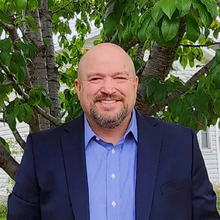
Kirk Lambert
Kirk Lambert has worked in law enforcement for 19 years, spending 17 of those years working for Utah Department of Corrections division of Adult Probation and Parole. He worked as a Probation and Parole Agent for five years and has worked as sergeant in this field for the past 12 years. He has also held the assignment of Tactical Field Officer with the US Marshal’s Service with that agency’s Joint Criminal Apprehension Team (JCAT) and Violent Fugitive Apprehension Strike Team (VFAST).
He graduated from Utah State University with a Bachelor’s of Science Degree in History and Sociology. Shortly after being promoted to sergeant, Kirk Lambert was placed in charge of a pilot program where he worked with Kristin Cox to implement Theory of Constraints practices into helping individuals on probation or parole exit the criminal justice system. By implementing full-kit and focusing on the constraint, Utah witnessed drastic improvement in reducing duration of probation and parole supervision while increasing positive outcomes of those terms of supervision. He also works as an outside consultant and is working with Epiphany Associates to help The Nebraska Department of Correctional Services implement a full kit for their clients who are reentering the community.